Over time, minerals from water build up inside coffee machines. This buildup, called scale, can slow water flow, affect temperature, change flavor and shorten the life of your machine. Descaling removes these deposits and is one of the most important maintenance tasks for espresso machines and drip coffee makers alike.
This guide explains why descaling matters, how often to do it and a general process. Always follow your machine’s manual first, since manufacturers often specify descaling products and procedures, and using the wrong method can affect warranty coverage.
What Is Scale?
Scale is a hard, chalky deposit made mostly of calcium and magnesium carbonates that come from hard water. When water is heated, these minerals can come out of solution and stick to boilers, heating elements, tubes and valves.
Why Descaling Matters
- Maintains flow: Scale can narrow water paths and clog components.
- Protects heating elements: Scale can insulate elements, affecting heating.
- Improves taste: Mineral buildup can affect flavor.
- Extends machine life: Many manufacturers note that scale-related damage may not be covered under warranty.
How Often Should You Descale?
It depends on:
- Water hardness: Hard water causes more buildup.
- Usage: More use means more scale.
- Machine type: Some machines have descale indicators.
Many manufacturers suggest descaling every one to three months for regular use with hard water, or follow the machine’s indicator. Check your manual.
Testing Water Hardness
Water hardness test strips are inexpensive and widely available. Your local water utility may also publish hardness information.
Descaling Products
Manufacturer Descalers
Many brands sell their own descaling solutions, such as Breville, De’Longhi and Keurig. Using the recommended product is often the safest choice.
Citric Acid and Lactic Acid Descalers
Many general-purpose coffee machine descalers use citric acid or lactic acid. Follow product instructions for dilution.
Vinegar
Vinegar is a common household option for some drip coffee makers, but many espresso machine manufacturers advise against it because it can leave odors and may affect certain components. Check your manual before using vinegar.
General Steps: Descaling an Espresso Machine
These are general steps. Your machine’s manual takes priority.
- Read the manual for specific instructions and any descale mode.
- Remove water filters from the tank if your machine uses one.
- Empty the drip tray and remove the portafilter.
- Mix descaler and water in the tank according to the product’s instructions.
- Start the descale cycle if your machine has one, or run solution through the group head and steam wand in intervals.
- Let the solution sit if instructed, allowing it to dissolve scale.
- Finish running the solution through the system.
- Rinse thoroughly: Empty the tank, refill with fresh water and run several tankfuls through the group head and steam wand.
- Reinstall filters and reset the descale indicator if applicable.
General Steps: Descaling a Drip Coffee Maker
- Check the manual for recommended descalers.
- Fill the reservoir with descaling solution.
- Run a brew cycle without coffee. Some machines have a clean cycle.
- Pause midway if recommended, letting the solution sit.
- Finish the cycle and discard the solution.
- Run fresh water cycles several times to rinse.
- Wash the carafe and basket.
Descaling Kettles
Electric kettles also build up scale. Use a kettle descaler or citric acid solution following product instructions, then rinse thoroughly.
Descaling vs. Cleaning
Descaling removes mineral buildup. Cleaning removes coffee oils and residue. Espresso machines also need regular backflushing (if supported), basket cleaning and steam wand purging. Grinders need separate cleaning. See how to clean a coffee grinder.
Reducing Scale Buildup
- Use filtered water as recommended by many manufacturers.
- Use your machine’s water filter if it has one, and replace it on schedule.
- Avoid distilled water unless the manufacturer recommends it. Some machines rely on minerals for sensors, and very soft water may affect taste.
- Empty and refresh the water tank regularly.
Signs Your Machine Needs Descaling
- Slower water flow or longer brew times
- Coffee not as hot as usual
- White, chalky deposits
- Unusual noises
- Descale indicator lights
Safety Tips
- Let the machine cool before handling internal parts.
- Avoid contact with hot water and steam.
- Keep descaling products away from children and pets.
- Do not mix cleaning chemicals.
Making Maintenance a Habit
Set calendar reminders for descaling and filter changes. Keep descaler and spare filters on hand. Pairing maintenance with a regular day, such as the first weekend of the month, makes it easier to remember.
For more on machines, see our guides to espresso machines under $500, the Breville Bambino and drip coffee makers.
Water Quality and Scale Prevention
Scale forms from minerals in water, so the water you use has a big effect on how often you need to descale.
- Check your water hardness. Many local water utilities publish water quality reports, and inexpensive test strips are available.
- Use the machine’s water filter if it has one, and replace it on schedule.
- Consider filtered water if your tap water is very hard.
- Avoid distilled or fully demineralized water unless your manufacturer approves it. Some machines rely on a small amount of minerals for sensors, and many coffee experts note that some minerals help with extraction.
Daily Habits That Help
- Empty and rinse the drip tray regularly.
- Purge the steam wand and wipe it after every use.
- Rinse the group head by running a short flush of water after brewing.
- Refill the tank with fresh water instead of topping up old water.
These habits will not replace descaling, but they help keep your machine cleaner between cycles.
Cost of Descaling
Descaling is inexpensive compared with repairs. Manufacturer-branded solutions are often more expensive than generic coffee-machine descalers, but some manufacturers specify their own product to protect warranty coverage, so check before switching. Water filters add a small ongoing cost but can reduce how often you need to descale.
When to Call for Service
Descaling will not fix every problem. If your machine leaks, trips a breaker, makes unusual grinding or pump noises, or still has low flow after descaling, stop using it and contact the manufacturer or an authorized service center. Opening the machine yourself may void the warranty and can be unsafe because of electricity, heat and pressure.
Frequently Asked Questions
Can I use vinegar to descale an espresso machine?
Many espresso machine manufacturers advise against vinegar. Check your manual.
How long does descaling take?
It varies by machine, often around 20 to 45 minutes including rinsing.
What happens if I never descale?
Scale can build up, affecting flow, temperature and taste, and may contribute to machine damage.
Is filtered water enough to prevent scale?
Filtered water can reduce scale but may not eliminate it. Regular descaling is still recommended.
Do single-serve pod machines need descaling?
Yes. Most pod machines recommend periodic descaling.
The Bottom Line
Descaling removes mineral buildup that can slow your machine, affect flavor and shorten its life. Follow your manufacturer’s instructions and recommended products, descale on a schedule based on water hardness and use and rinse thoroughly afterward. Using filtered water and a machine filter can reduce how often you need to descale.
Editorial note: Brew Benchly is independent and reader-supported. This guide is based on research into manufacturer documentation, published specifications and widely accepted best practices; we have not been paid to mention any product. If we add affiliate links in the future, they will be clearly disclosed per our Affiliate Disclosure.
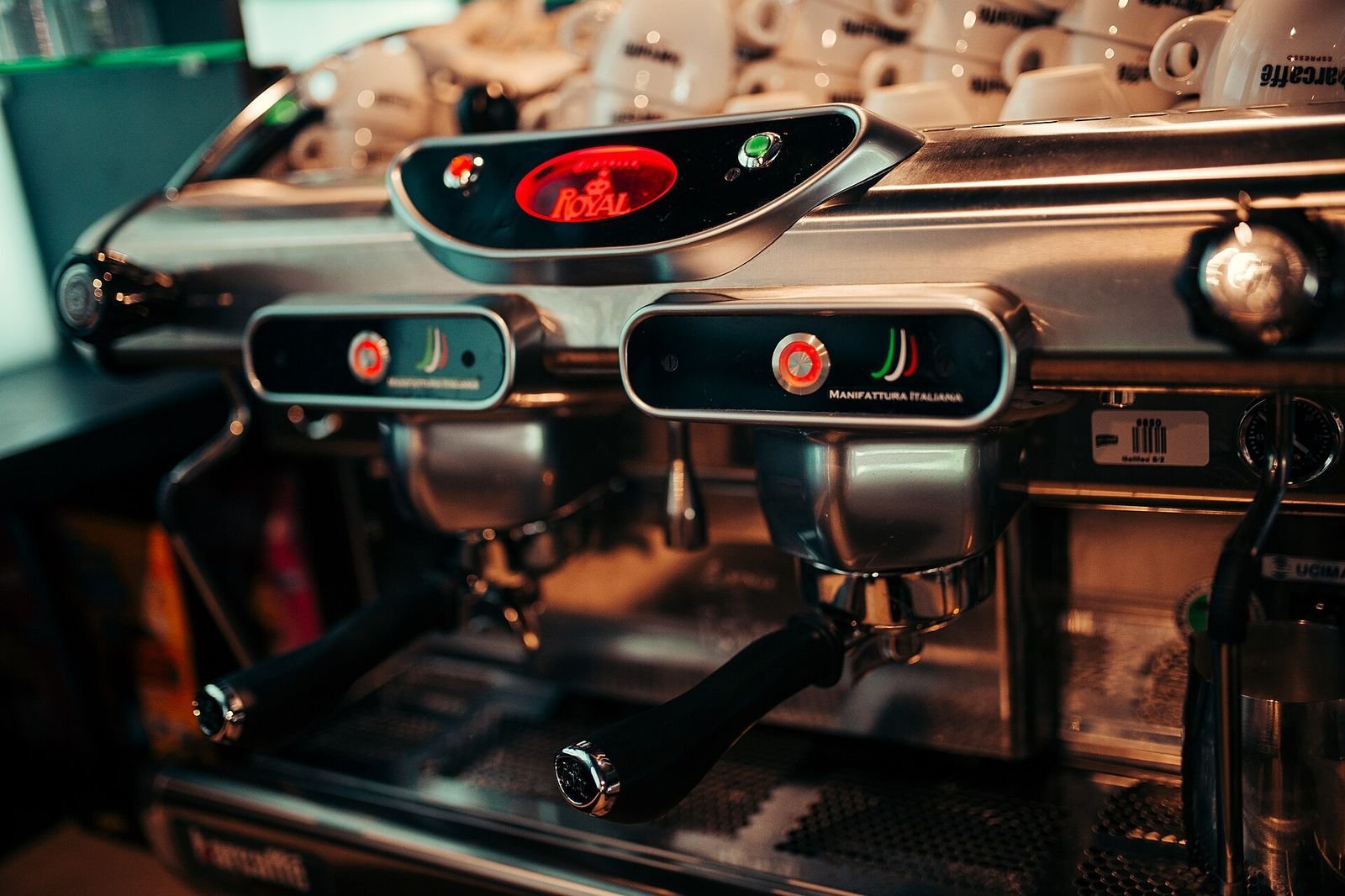
Photo: Espresso coffee machine in a cafe closeup by Shixart1985, CC BY 2.0